
WatchIQ
PatekPhilippe
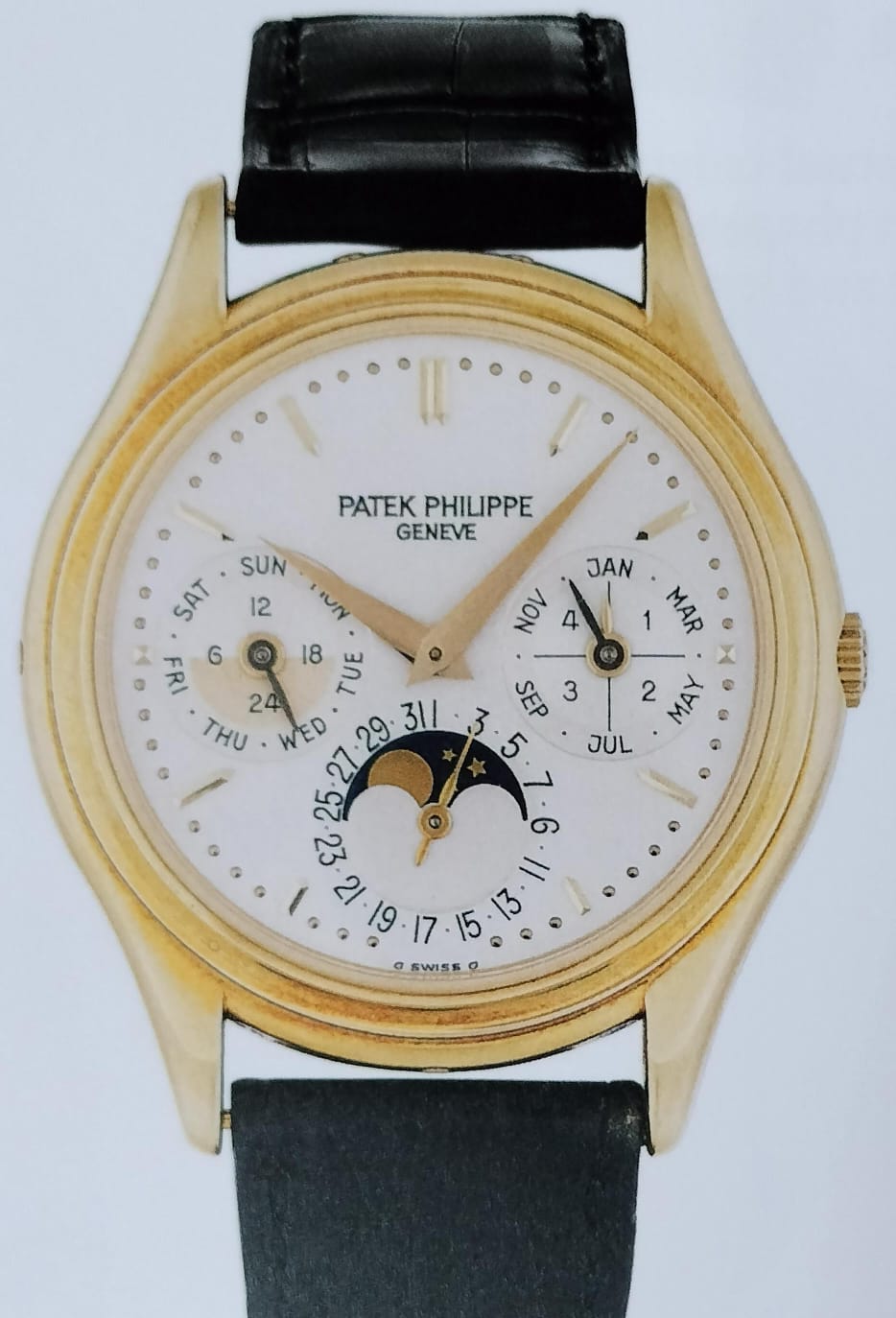
Patek Philippe Perpetual Calendar Ref. 3940J
Market Estimate
~$65,000
Specifications
Market Range
PatekPhilippe
Patek Philippe Perpetual Calendar Ref. 3940J
Market Estimate ~ $65,000
Market Range
Specifications
Executive Overview
The Patek Philippe Reference 3940 stands as one of the most significant timepieces in the history of modern horology. Launched in 1985 during the height of the Quartz Crisis, it was a bold statement of mechanical defiance and a defining moment for the Geneva-based manufacture. This specific model, rendered in 18k yellow gold (3940J), represents the quintessential perpetual calendar, characterized by its remarkably slim profile and perfectly balanced dial layout. Collectors revere the 3940 not just for its technical prowess, but for its elegant 36mm proportions, which many purists consider the 'golden ratio' for a complicated dress watch. It was famously the personal choice of Philippe Stern, the former president of the company, which speaks volumes about its design integrity. The watch features a moon phase display and a perpetual calendar that accounts for leap years, all while maintaining a thickness of only 9mm. As a bridge between vintage charm and modern reliability, the 3940 has transitioned from a sleeper hit to a cornerstone of any serious high-horology collection. Its existence helped preserve the tradition of grand complications at a time when the industry's future was uncertain, making it an essential artifact of watchmaking resilience.
Technical Architecture
At the heart of the Reference 3940 is the legendary Caliber 240 Q, an ultra-thin self-winding movement that utilizes an off-center 22k gold micro-rotor. This engineering choice allowed Patek Philippe to achieve a perpetual calendar complication without the bulk typically associated with automatic winding systems. The movement comprises 275 individual parts, finished to the exacting standards of the Patek Philippe Seal (or the Geneva Seal in earlier series). The 36mm case is masterfully stepped, featuring concave lugs that flow seamlessly into the leather strap, enhancing its ergonomic presence on the wrist. The dial is a masterclass in information density; it displays the day of the week and a 24-hour indicator at 9 o'clock, the month and leap year cycle at 3 o'clock, and the date and moon phase at 6 o'clock. Despite these multiple indicators, the use of sunken sub-dials and delicate leaf-shaped hands ensures legibility remains paramount. The crystal is a scratch-resistant sapphire, often paired with a solid gold case back or an interchangeable sapphire display back in later series. The watch is typically water-resistant to 30 meters, though its primary engineering focus is on precision and thinness rather than athletic utility.
Historical Context
The 3940 was introduced in 1985 alongside the sister reference 3970 (perpetual calendar chronograph) to replace the aging Reference 3450. Its debut was a pivotal strategic move by Patek Philippe to reclaim the narrative of luxury watchmaking from battery-powered competitors. Over its 21-year production run, which ended in 2006 when it was succeeded by the larger Reference 5140, the 3940 underwent three distinct series evolutions. The first series featured sunken sub-dials and a distinct leap year indicator, while the second and third series refined the dial printing and sub-dial textures. This model essentially defined the aesthetic of the modern perpetual calendar for the next three decades. It was produced in yellow gold, rose gold, white gold, and platinum, with yellow gold being the most traditional expression of the reference. Today, it is viewed as the 'endgame' watch for many collectors—a piece that embodies the transition from the neo-vintage era to modern manufacturing excellence. It remains a testament to the era when Patek Philippe prioritized understated elegance and mechanical innovation above all else.
Market Intelligence
From an investment perspective, the Patek Philippe 3940J is considered a 'blue chip' asset. While it was produced in relatively healthy numbers compared to ultra-limited grand complications, its status as a foundational piece of Patek history ensures consistent demand. In recent years, the market has seen a significant shift toward 'neo-vintage' pieces (1980s-1990s), causing the 3940 to appreciate steadily. Unlike the volatile hype surrounding steel sports watches, the 3940 exhibits lower volatility and higher long-term stability. The yellow gold variant offers the most accessible entry point into the reference, yet it retains excellent liquidity due to its classic appeal. Collectors specifically seek out 'full sets' with original papers and the winding box, as these command a premium. The supply is finite, and as more pieces disappear into permanent private collections, the secondary market availability continues to tighten. Its brand strength is absolute; a perpetual calendar from Patek Philippe is rarely subject to the whims of fashion, making it a defensive and prestigious addition to a financial or horological portfolio.
More from PatekPhilippe
View all →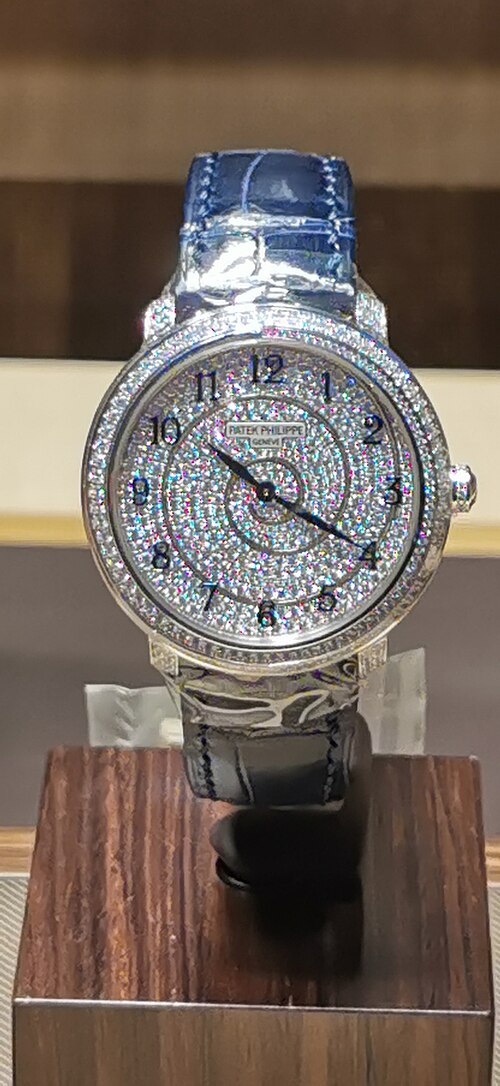
Patek Philippe Calatrava Diamond Ribbon Joaillerie 4978/400G
$178,500 - $241,500
.jpg.jpg)
Patek Philippe Complications Annual Calendar 4947R-001
$44,200 - $59,800
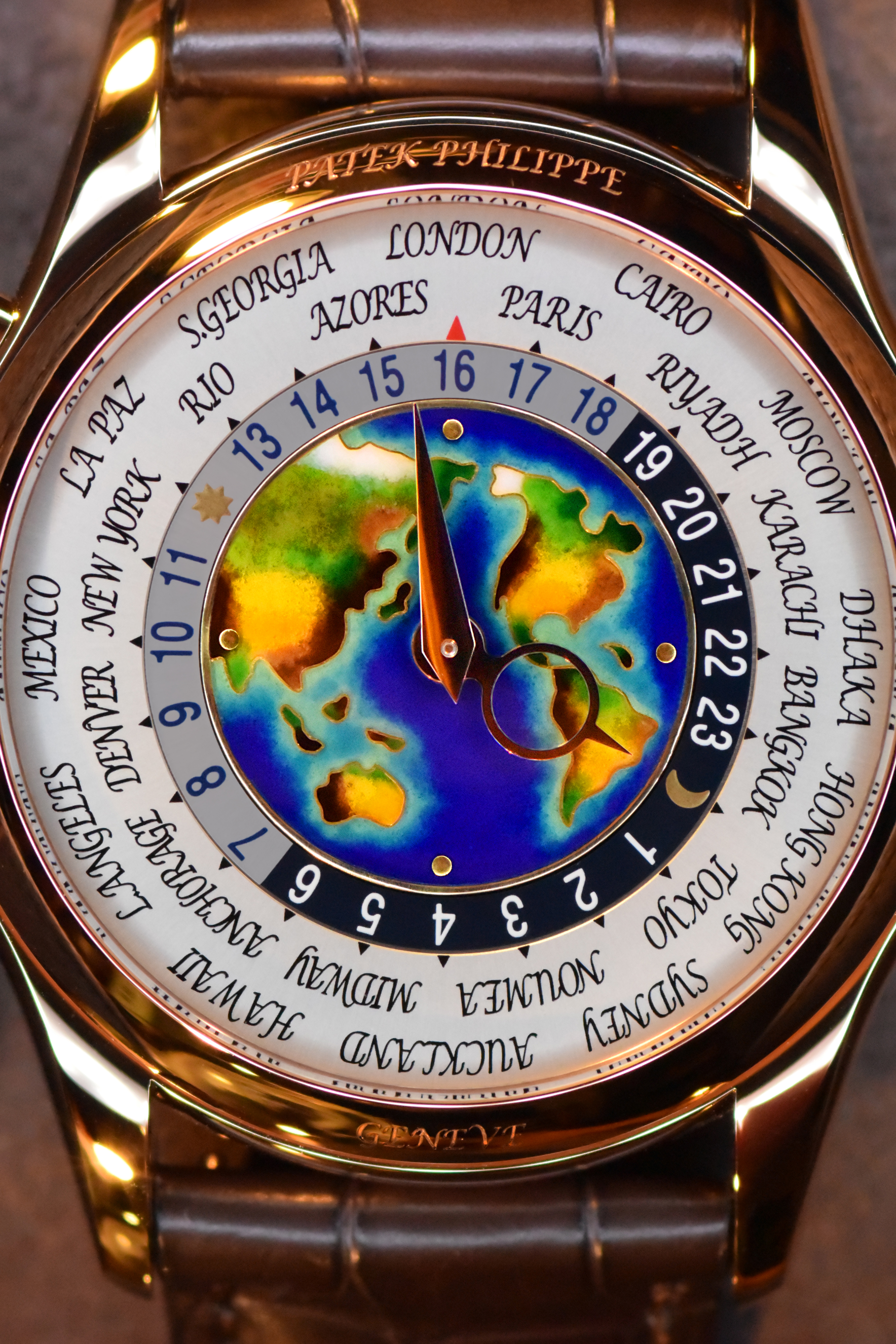
Patek Philippe Complications World Time Cloisonné Enamel 5131J-001
$106,250 - $143,750
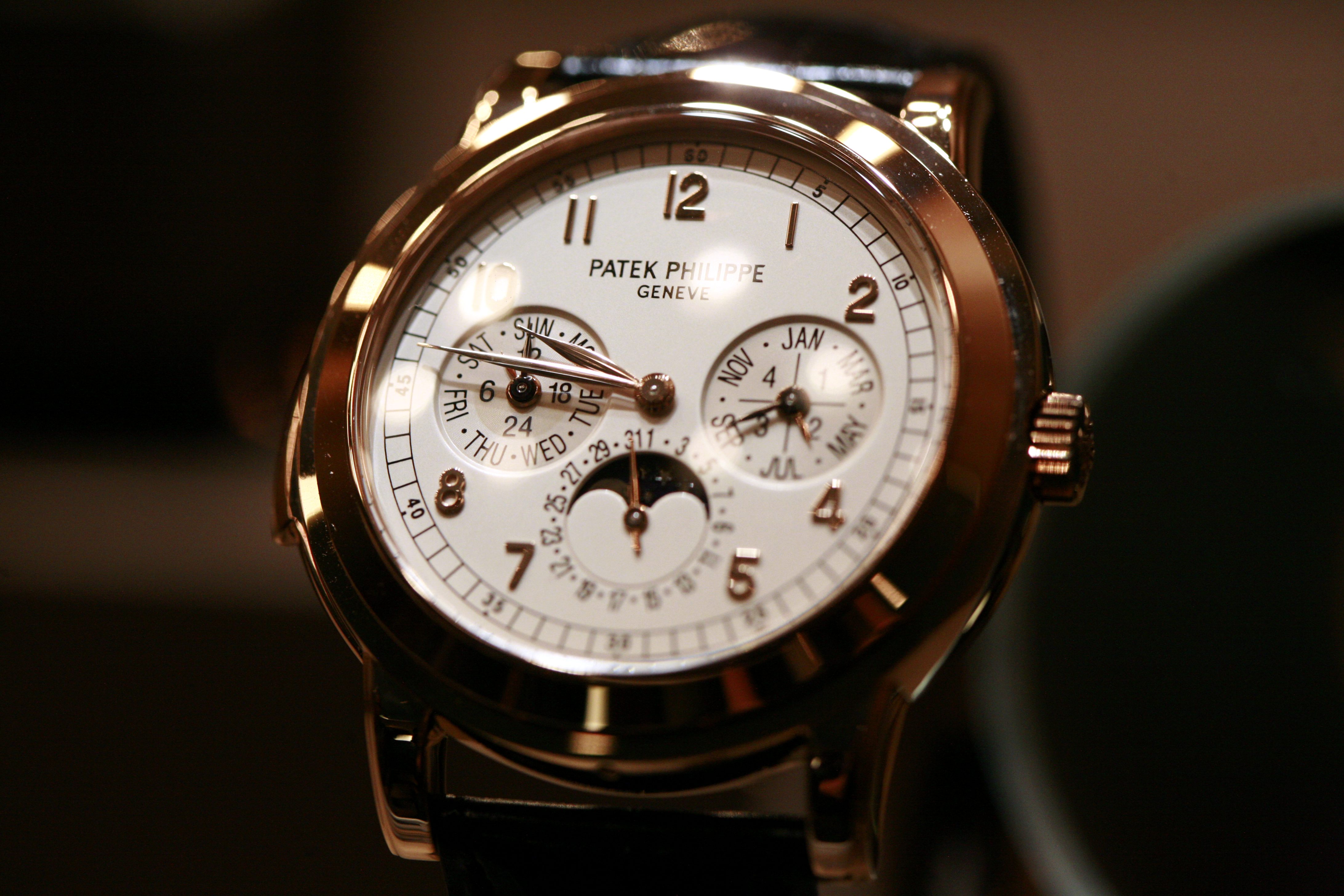
Patek Philippe Grand Complications Perpetual Calendar 5139R-001
$46,750 - $63,250